Iran Strikes Tanker in Strait of Hormuz, Warns Wider Attacks

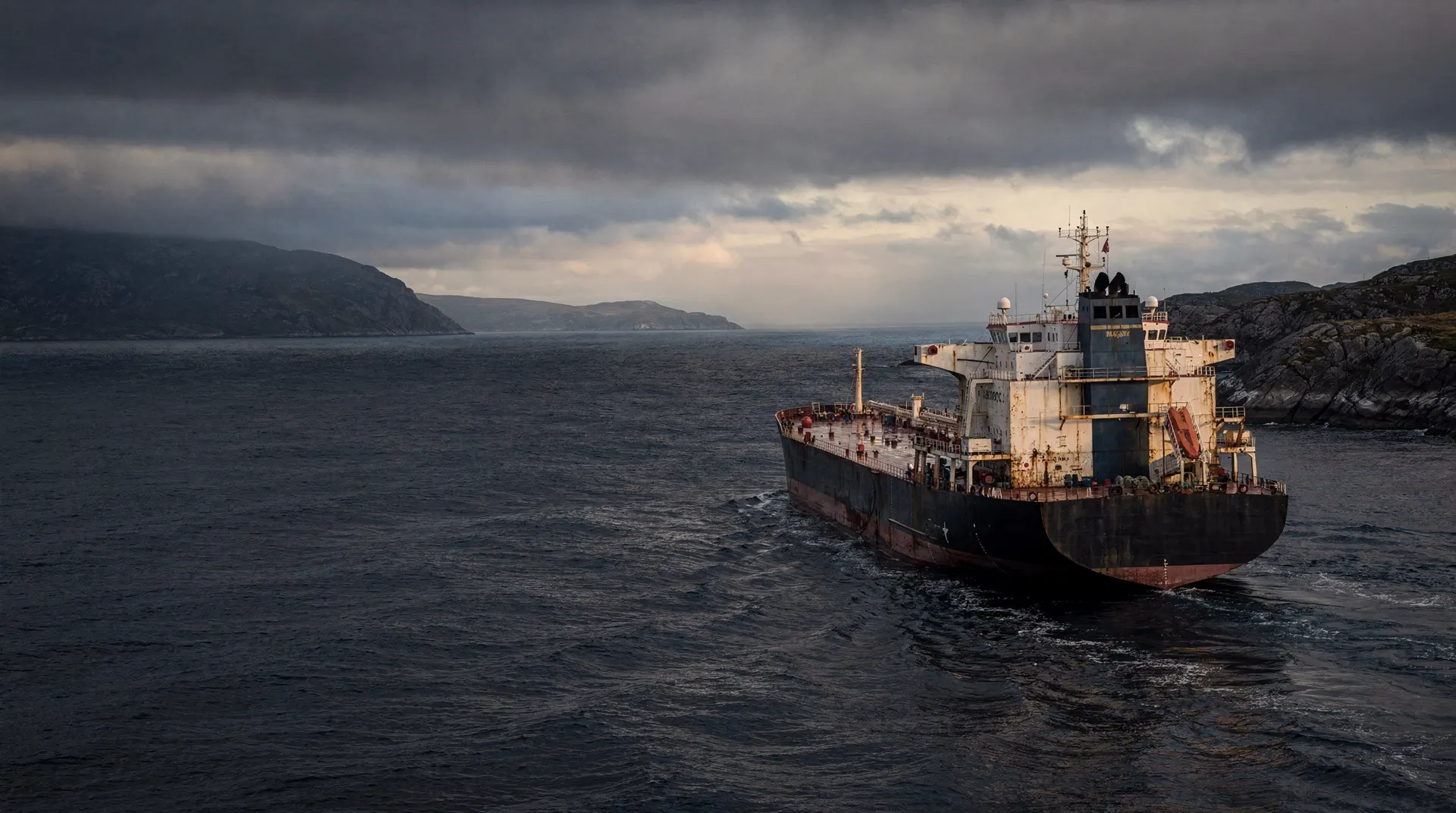
Iran's Islamic Revolutionary Guard Corps Navy claimed on Friday it struck the LPG carrier NV Sunshine, a Vietnam-flagged vessel, as it moved through what Tehran calls an "illegal route" south of the Strait of Hormuz, setting the engine room and propulsion system on fire. It then warned that any vessel using an unauthorized passage "will be pursued throughout the region, and its punishment will be definitive," and that companies cooperating with the US would be sanctioned with all their vessels targeted, a direct promise to carry the chokepoint fight beyond the strait itself.
The strikes arrive on a waterway that already moves roughly one-fifth of global oil and gas shipments but has been effectively shut to much of that traffic since the war began in late February. According to Reuters and vessel-tracking firm Kpler, crude shipments through the strait had fallen 27% from the wartime peak to about 10.1 million barrels a day by early October, and Kpler showed only seven commodity-carrying vessels passing on October 6, the lowest daily number in over two months. The escalation geography is what changed: Iran moved from blockading a strait that was, in practice, already closed to actively striking a tanker and threatening to pursue and punish "violating" vessels across the wider Gulf, plus sanctioning the fleets of companies it ties to Washington.
Related reading: Strait of Hormuz oil shipping: crude flows recover to 10.3M bpd, attacks keep freight at $1M a day.
Attributions matter here because the account of what happened is contested and layered. The IRGC claim was carried by the Iranian state news agency IRNA and reported by Reuters. Separately, the United Kingdom Maritime Trade Operations said a vessel was struck by a projectile 13 nautical miles off the UAE's Al Jazeera Al Hamra, with the fire extinguished. Seatrade Maritime identified a second hit on the Panama-flagged VLCC Gem No.2, a 302,000-deadweight-tonne vessel managed in Taiwan and owned by Global Energy Maritime, a joint venture linked to U-Ming Marine Transport, struck by an unknown projectile 13 nautical miles west of the UAE. Euronews reported that maritime agencies logged two further strikes on commercial ships in the Persian Gulf, and that 12 attacks or attempted attacks were recorded in the strait between September 28 and October 5, the highest weekly figure since the war began on February 28.
What the threat adds is a ratchet on cost. Maritime security analysts and insurers now price not just the strait but the loading berths, anchorages and transshipment routes that feed it, and the IRGC statement names those alternative lanes as targets. That pushes war-risk premia higher across the Gulf and lifts tanker rates on the routes that remain open, which is the freight leg of the disruption. Gulf oil exporters and refiners that leaned on alternative export routes to bypass a shut strait now face those very routes being threatened, and any company the Guard links to US cooperation is told its whole fleet is at risk. The people who pay are the shippers and insurers who carry that risk first, and ultimately the importers and consumers who absorb it through landed cost.
For the broader framework, see our crude oil coverage.
Related reading: Freight This Week: Container Rates Slide as Tanker Costs Surge Through Hormuz.
The macro read-through is the inflation channel. Brent eased to roughly $102.90 to $103.36 intraday on October 9, up sharply from pre-escalation levels even though there was no 6% single-session move on the day. Sustained pressure on oil keeps the inflation-to-yields channel hot, with the 10-year Treasury at 5.31% per today's macro read, and wider war-risk premia weigh on risk appetite even as the crude complex itself was comparatively quiet on the session. A supply-side shock that raises fuel costs runs through pump prices, freight and manufacturing input costs, which is the route the escalation reaches the broader economy.
The US-Iran Memorandum of Understanding signed in June, which the Reuters account notes alongside the claim that the strait "has been effectively shut since the fighting," now looks more fragile than it did even a week ago. The next dated catalysts are renewed negotiation efforts toward reopening the strait, the UKMTO and maritime-security reporting that will establish whether Friday's pattern of strikes continues, and any US Treasury sanctions follow-up.
Related reading: Tanker Rates Top $1.2 Million a Day as War Risk Compounds.
For holders of crude exposure and for anyone watching shipping costs, the question is no longer whether the strait is closed but whether the region's remaining open water can stay open when the party that controls the strait has said it will chase and punish vessels that cross it. Friday's wording commits Tehran to a policy of pursuit across the wider Gulf, and the maritime data will show in coming days whether that is a threat or a program.
Related reading: BIMCO Puts a Number on the Freight Party: 14 Million TEU of New Ships Are Coming.
Get daily intelligence delivered
Create a free account for the Daily Brief every weekday and The Week Ahead every Sunday. No card required.