CoreWeave Stock Sinks 16% as AI Debt Fears Push Bond Yields to 14.8%

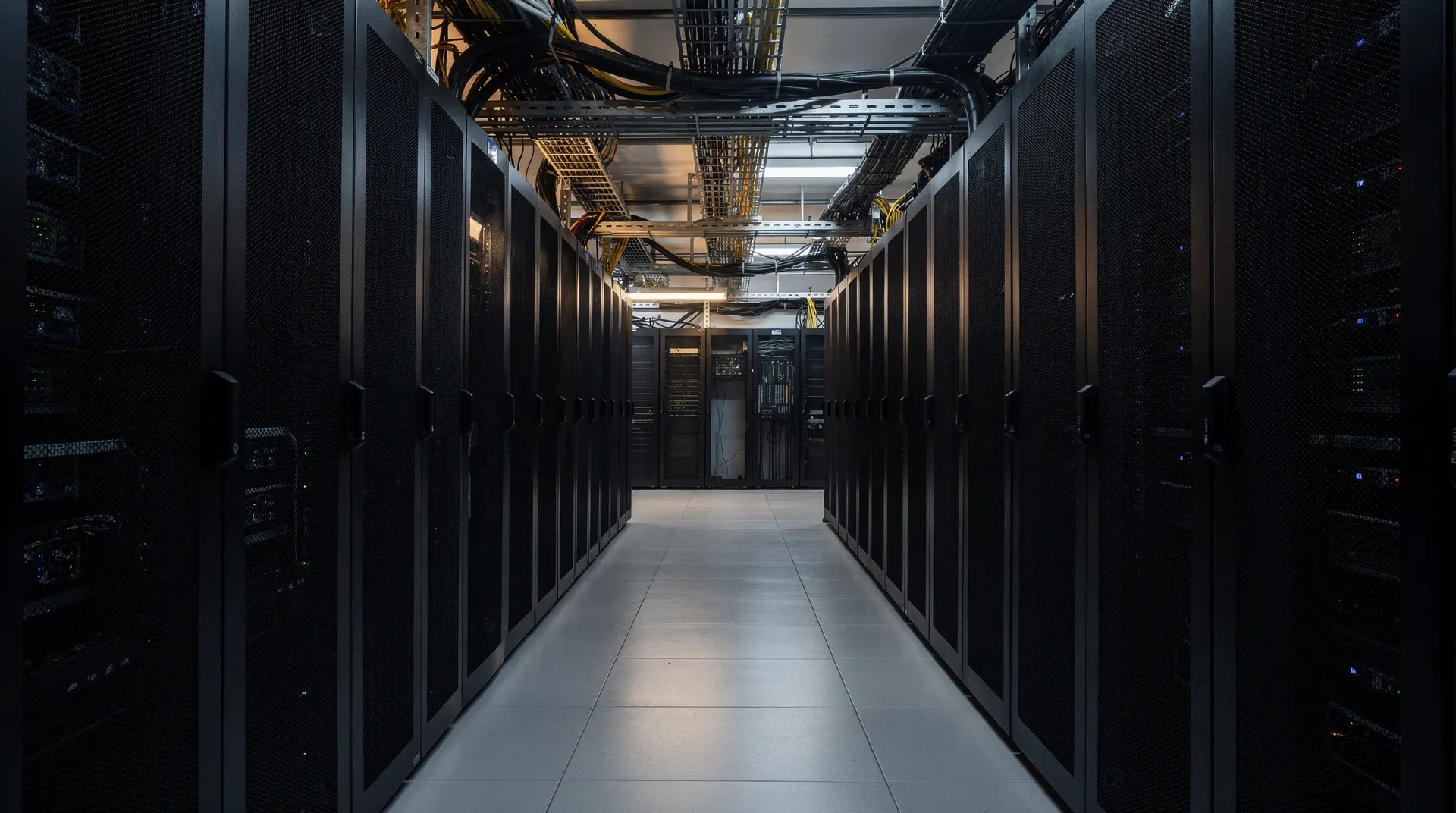
CoreWeave stock sank about 16% on Wednesday, October 14, as the yield on its 2032 bonds jumped to 14.8%, the sharpest signal yet that investors are repricing the debt load behind the AI data-center build-out. The shares changed hands near $66.41 at 11:25 a.m. ET, down 14.64% from the $77.80 close on Tuesday, according to Markets Insider, and the yield to maturity on the neocloud's 9.625% notes due July 2032 sat at 14.8%, with its 9.75% notes due 2031 around 14.9%, CNBC reported from FactSet data.
Investors demanded more risk compensation for the company that has leaned hardest on the credit market to fund AI capacity. "The era of easy money that we experienced in the first nine months of the year is starting to disappear," Luis Alvarado, co-head of global fixed income strategy at Wells Fargo Investment Institute, told CNBC. "Now the extra dollar or the marginal dollar is going to be more looked at with a microscope." The move into AI-debt caution drew a blunt response from Elon Musk on X, who replied "yikes" after tech investor Chamath Palihapitiya posted that the 2032 bond's yield "touched 15%" on Tuesday and closed at a new high.
Related reading: SoftBank's 8.2% Bond Yield Is the AI Buildout's Real Cost of Capital.
CoreWeave and the AI credit question
The selloff is not just one stock. Oracle tumbled nearly 7% on Wednesday with its 6.25% notes due November 2032 yielding 7.24%, fellow neocloud Nebius dropped 9%, and Dell fell 10%, CNBC reported, while the Nasdaq Composite lost 1.4%. The pattern is consistent: the pain is landing hardest on the smaller, borrowing-heavy names outside the Magnificent Seven, the companies that financed the build-out with equity and high-yield debt now repricing for a higher funding cost.
The backdrop is the sheer size of the capital being raised. JPMorgan expects hyperscalers to spend about $800 billion on AI infrastructure this year, crossing $1 trillion annually by 2027, which means today's yield moves hit companies that must keep returning to that market. CoreWeave has raised in scale: the company announced on September 17 a proposed $3.0 billion private offering of convertible senior notes due 2033, and the offering was later expanded to $3.7 billion, per press release and MarketWatch, on top of earlier note programs. Long-term debt and capital lease obligations exceed $43 billion, and the company burned roughly $5.74 billion in free cash flow in its most recent period against heavy property and equipment spending, according to research compiled by Timothy Sykes.
Related reading: Wells Fargo Stock Fell 3% on Tuesday: Q3 Revenue Missed Despite EPS Beat.
What is priced versus what the numbers say
For a comparison, the stock closed at $78.93 high for the day on October 13 after trading above $90 just two weeks earlier, and it is roughly 56% below its 52-week high of $150.40, according to Markets Insider data. The median analyst target sits near $138.83, a level investors now see as out of reach until the funding question settles. That gap between the Street's price target and a 14.8% cost of debt is the market's entire argument in one line: revenue growth is real, at about $5.13 billion with a gross margin near 90.6%, but the company still posted a quarterly net loss near $626 million and a negative profit margin of about 25%, so every financing round is priced as dilution risk until cash flow turns.
Related reading: MRVL Stock Pauses After $20B Target: What Marvell's Investor Day Changes.
Related reading: Is the Stock Market Open on Columbus Day 2026? NYSE Trades, Bond Market Closed.
Who it reaches and what is dated next
This read-through reaches the whole financing-heavy slice of the AI trade: neoclouds, chip suppliers, and the data-center REITs and power names that carry the build-out's balance sheets. It also gives a cautionary benchmark for anyone watching capital raises in the sector, because the 14.8% yield is now the reference point, not the 9 percent coupons the company paid earlier. The next dated catalyst is CoreWeave's third-quarter earnings, expected November 16, 2026, when management reports revenue, the pace of capital spending, and any update to its funding plan. Until then, the bond market is the story's daily update. This content is for informational purposes only and does not constitute financial advice. Past performance is not indicative of future results. Consult a qualified financial advisor before making investment decisions.
Get daily intelligence delivered
Create a free account for the Daily Brief every weekday and The Week Ahead every Sunday. No card required.