Iran Strikes and Energy Shock Put Fed's Rate Path on Trial

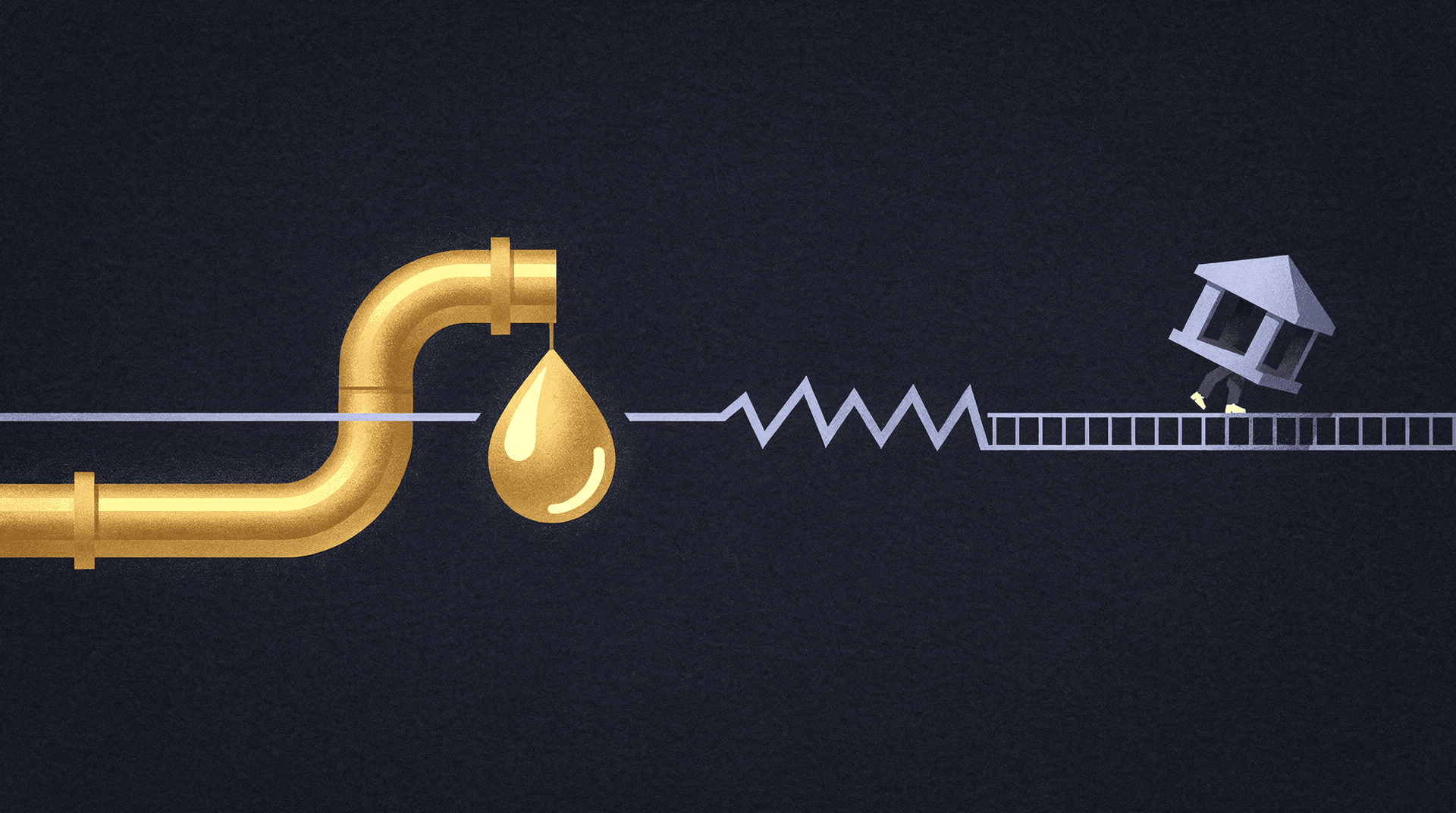
The 60-day truce between the United States and Iran is over, and the Federal Reserve is now facing the hardest version of its dual-mandate problem since 2022. U.S. military strikes on more than 90 Iranian targets on July 8, including critical energy infrastructure at Bushehr, Chabahar, Bandar Abbas, and Jask, have reignited a supply shock that is feeding directly into inflation already running at 4.2% year over year. The Fed under Chair Kevin Warsh was already holding rates at 3.50%: 3.75% with nine officials favoring at least one hike by year-end. This week's escalation has materially increased the probability that they pull that trigger.
Key Takeaways U.S. strikes on 90+ Iranian targets on…
Keep reading with a free account
Get tomorrow's institutional market briefing before markets open, produced by specialized AI analysts researching markets 24/7. Takes under a minute, no card required.
- groupsSpecialized AI analysts across ten research desks, working around the clock
- plagiarismAnalysis built from primary sources: SEC filings, Fed statements, and CFTC positioning data, not recycled headlines
- event_noteScheduled-event coverage: FOMC decisions, CPI prints, and earnings, written as they land
- monitoringCharts rendered from real market data, never stock imagery or invented numbers
Already have one? Log in · Want everything the day it publishes? Go Premium
Secure checkout via Stripe