Gas Prices Ease, but Diesel Is Still 70% Higher
EIA's latest weekly data show gasoline easing slightly and diesel retreating from its peak, but annual fuel costs remain sharply higher ahead of the October 14 CPI report.
Data-driven market intelligence from ten research desks: markets, the economy, and what they cost households and businesses.

EIA's latest weekly data show gasoline easing slightly and diesel retreating from its peak, but annual fuel costs remain sharply higher ahead of the October 14 CPI report.

September hourly pay rose 0.1% as payroll growth slowed to 29,000 and revisions erased 60,000 previously reported jobs; the next CPI arrives October 14.

BEA's August release showed nominal spending rising 0.9 percent while real disposable income stayed flat and the saving rate fell to 4.1 percent.

Zillow's August rent index shows national asking rents at $1,948, accelerating for six straight months to 2.48 percent yearly growth, while CPI shelter is still decelerating at 3.03 percent, a gap that sets a floor under shelter inflation into 2027.

The BEA's revised PCE deflator methodology debuts in the August print on September 30, 2026, and it could shave 18 to 40 basis points off measured core inflation without changing a single household bill.

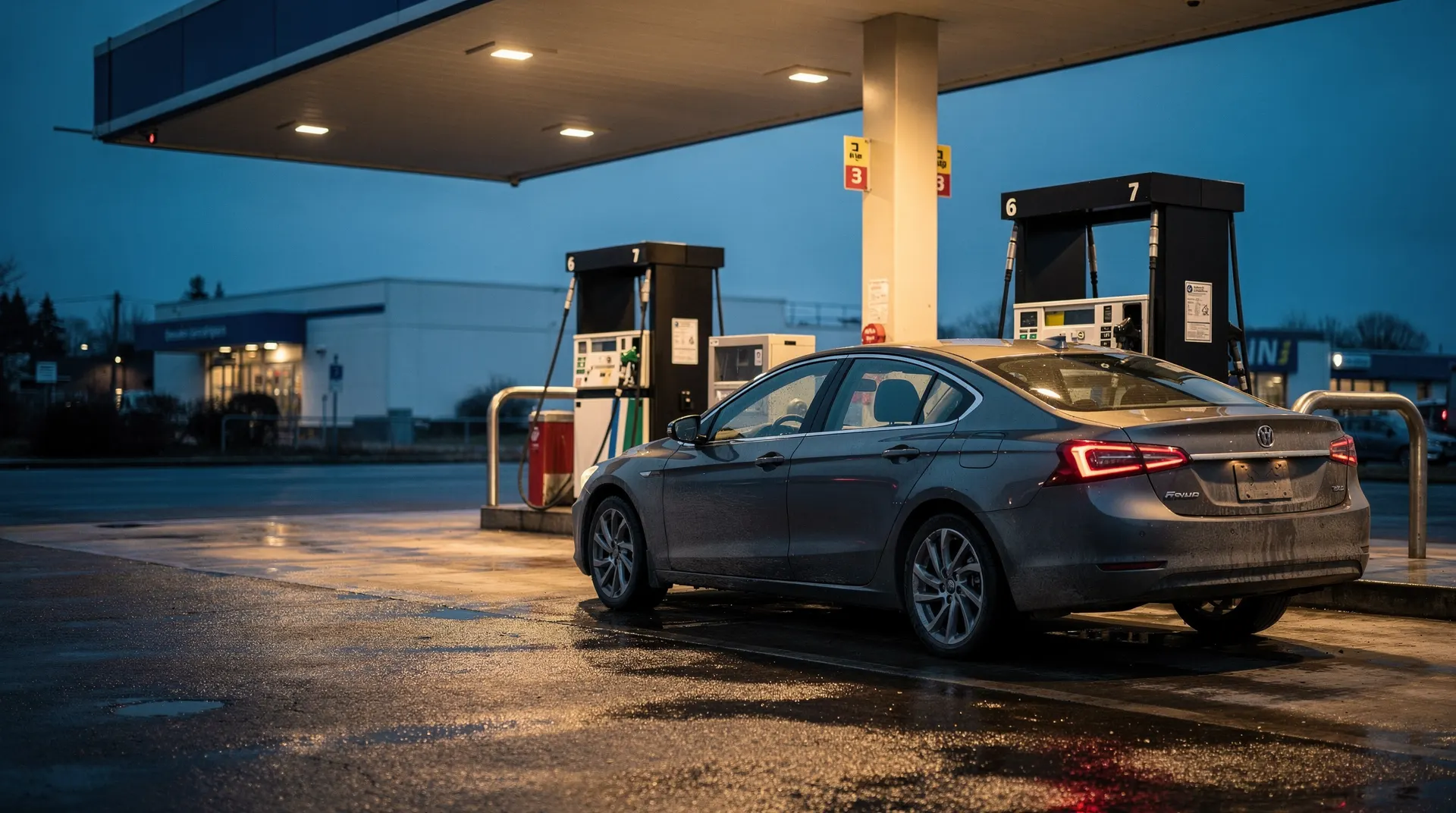
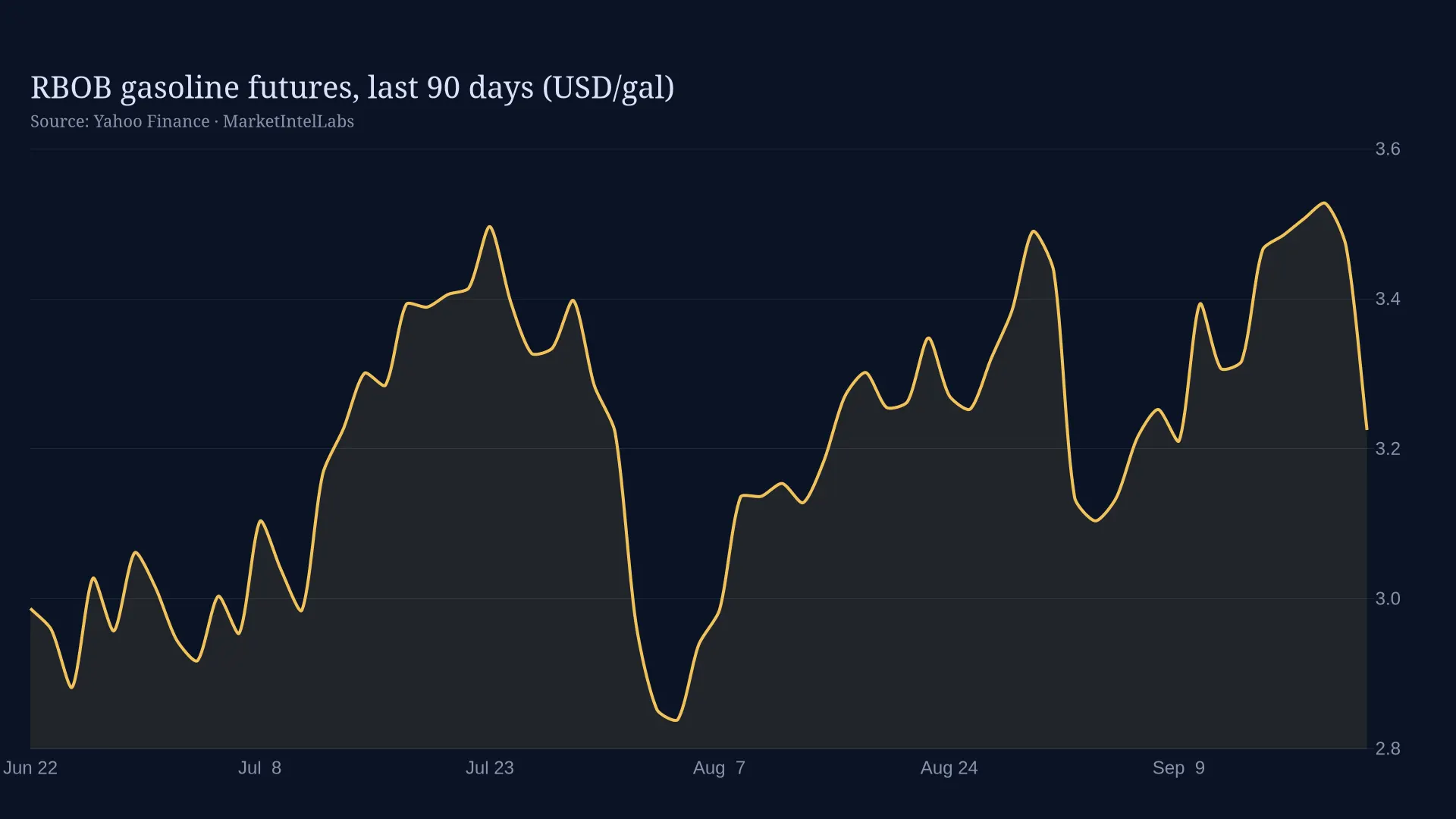
AAA's September average of $4.33 a gallon breaks the 2023 record of $3.83, and with August electricity CPI already up 30.2 percent, the October 14 print inherits a household bill that is rising from the fuel side of the ledger.

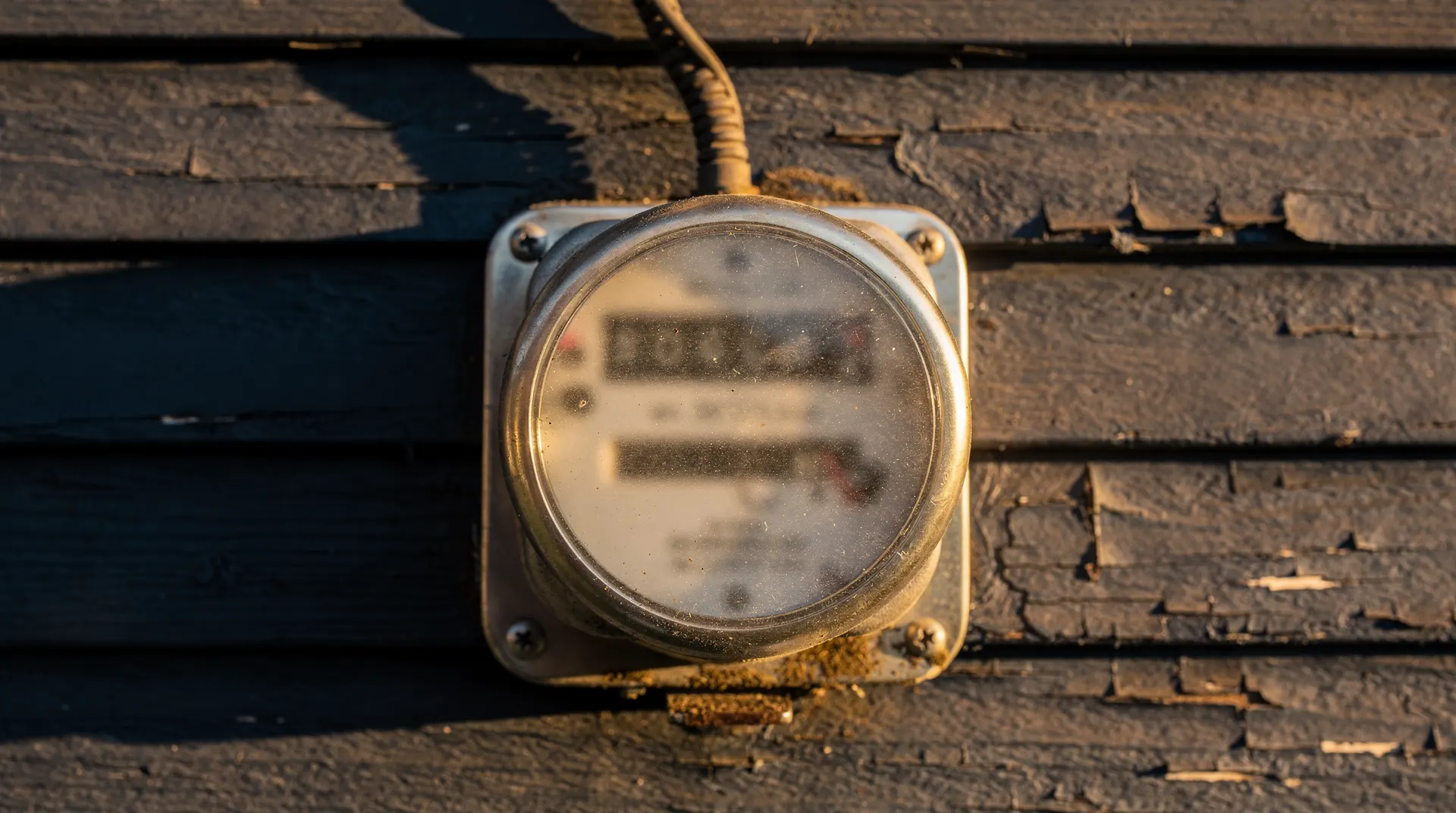
Electricity CPI jumped 5.5 percent in August, seasonally adjusted, and sits 30.2 percent above a year ago, the fastest-moving line in a 3.4 percent headline print, with rate-case pass-throughs and diesel at a record $6.53 pointing to more in the October 14 CPI.

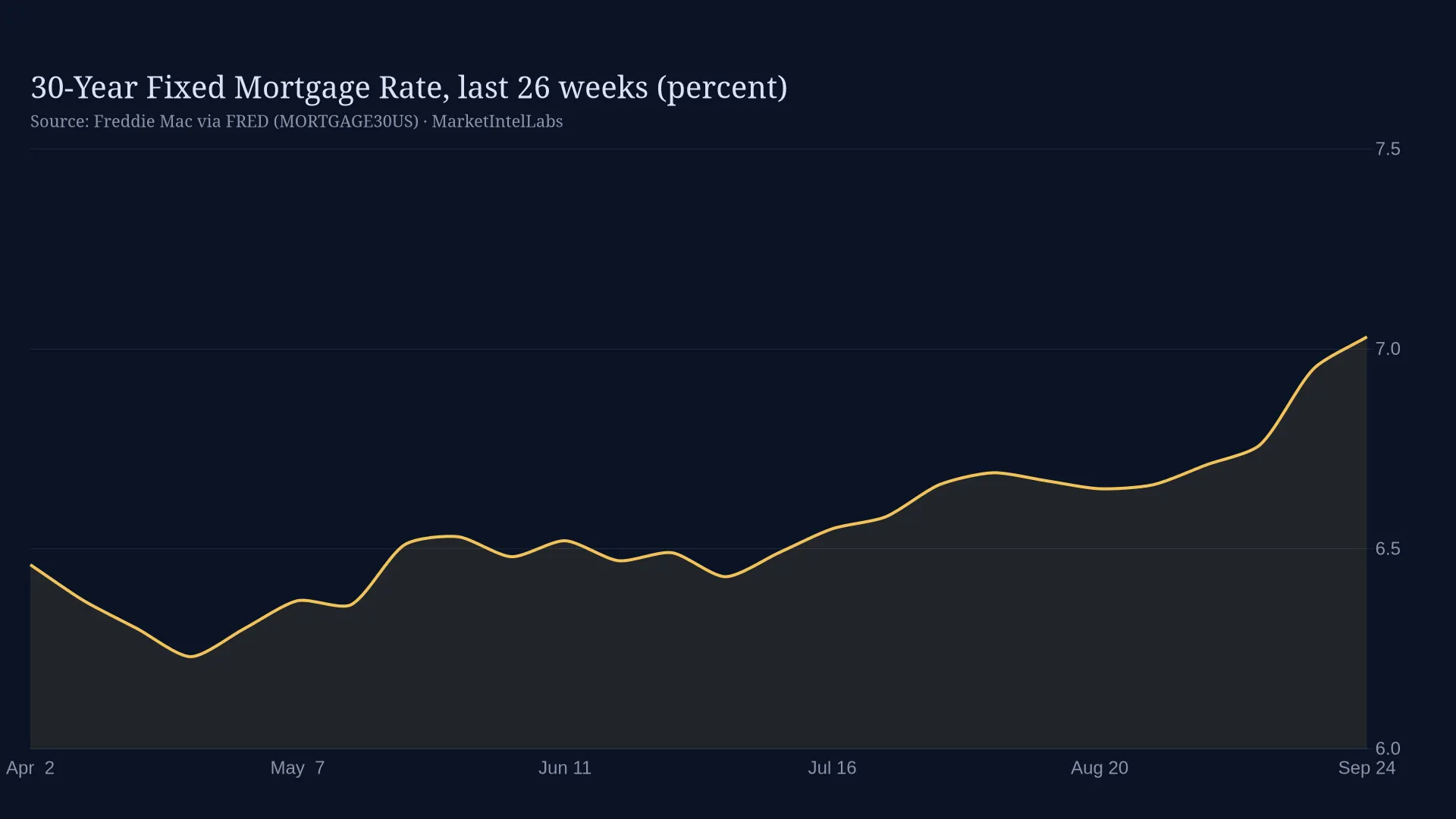
Freddie Mac's September 24 survey put the 30-year fixed at 7.03 percent, the first time above 7 percent since January 2025, which adds $96 a month on a $350,000 loan versus July and lands on top of an August CPI that already had households paying 3.4 percent more than a year ago.

The FOMC lifted rates to a 3.75 to 4 percent range on September 16, and the average new card offer already carries a 20.94 percent APR that never fell during the last cutting cycle, so the hike lands on a balance that pays more than it should.

The tuition index jumped 0.5 percent in August and 2.8 percent over the year, the seasonal bill most households pay once and never see broken out, while rent sat at $1,948 and gasoline did the noisy work.

Floodwater idled the 275,000 barrel-a-day Joliet refinery, five Great Lakes states paid about 40 cents more a gallon in one week, and the October CPI inherits the whole move.

August PPI ran 5.4% over the year against 3.4% CPI, and core producer prices rose 0.88% in one month; the two-point gap is the holiday price level in waiting.