Market Internals Flash Warning as Technology Underperforms
Technology underperformance as market internals signal ongoing sector rotation. Analysis of breadth, VIX, and positioning with implications for the September Fed meeting.
Daily coverage · James Nakamura
Earnings, sector rotation and what the index is really pricing.

Technology underperformance as market internals signal ongoing sector rotation. Analysis of breadth, VIX, and positioning with implications for the September Fed meeting.

Gold and silver slumped as the dollar strengthened, pressuring the Materials sector. What the metals sell-off means for equities and the Fed meeting ahead.

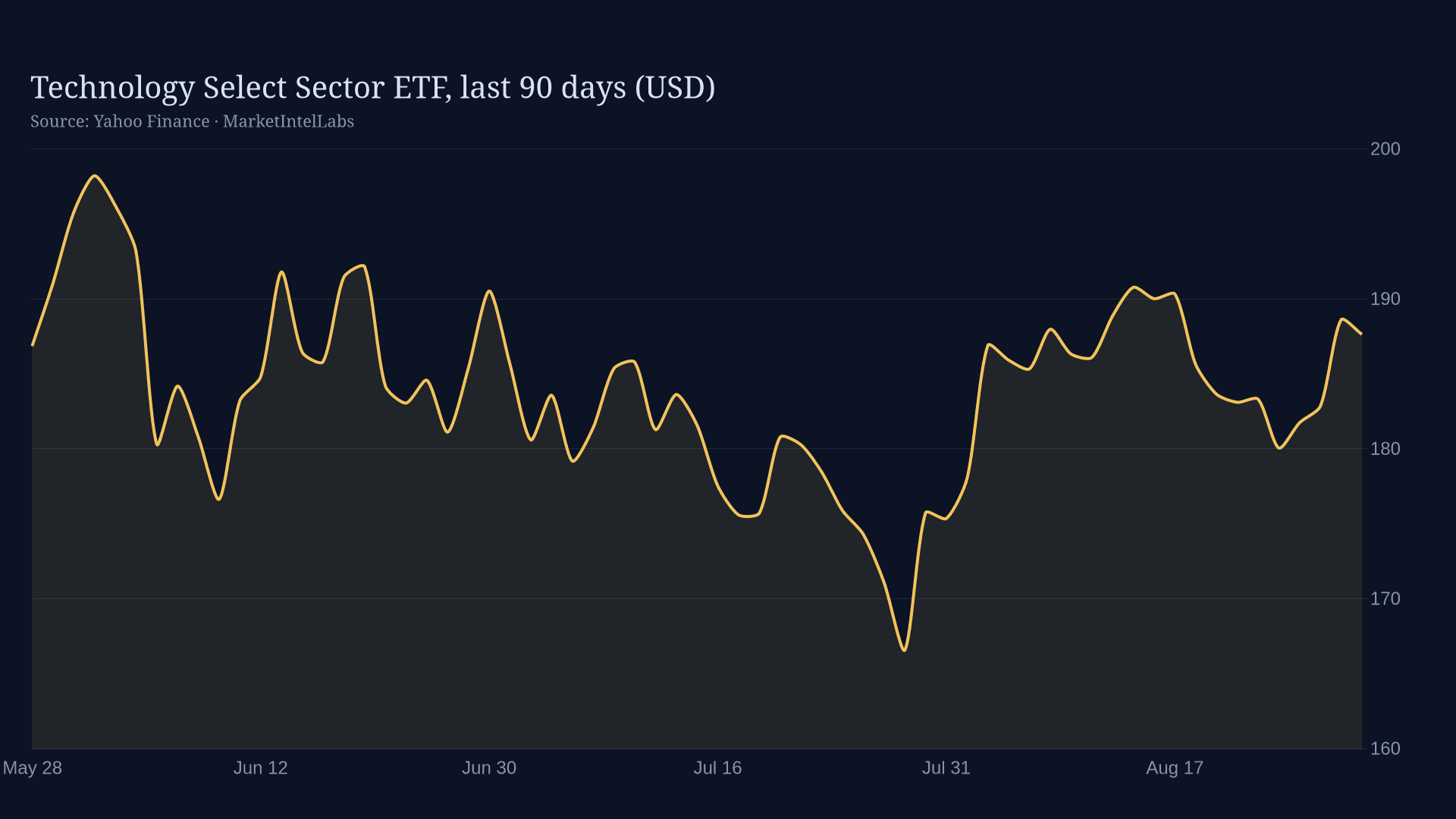
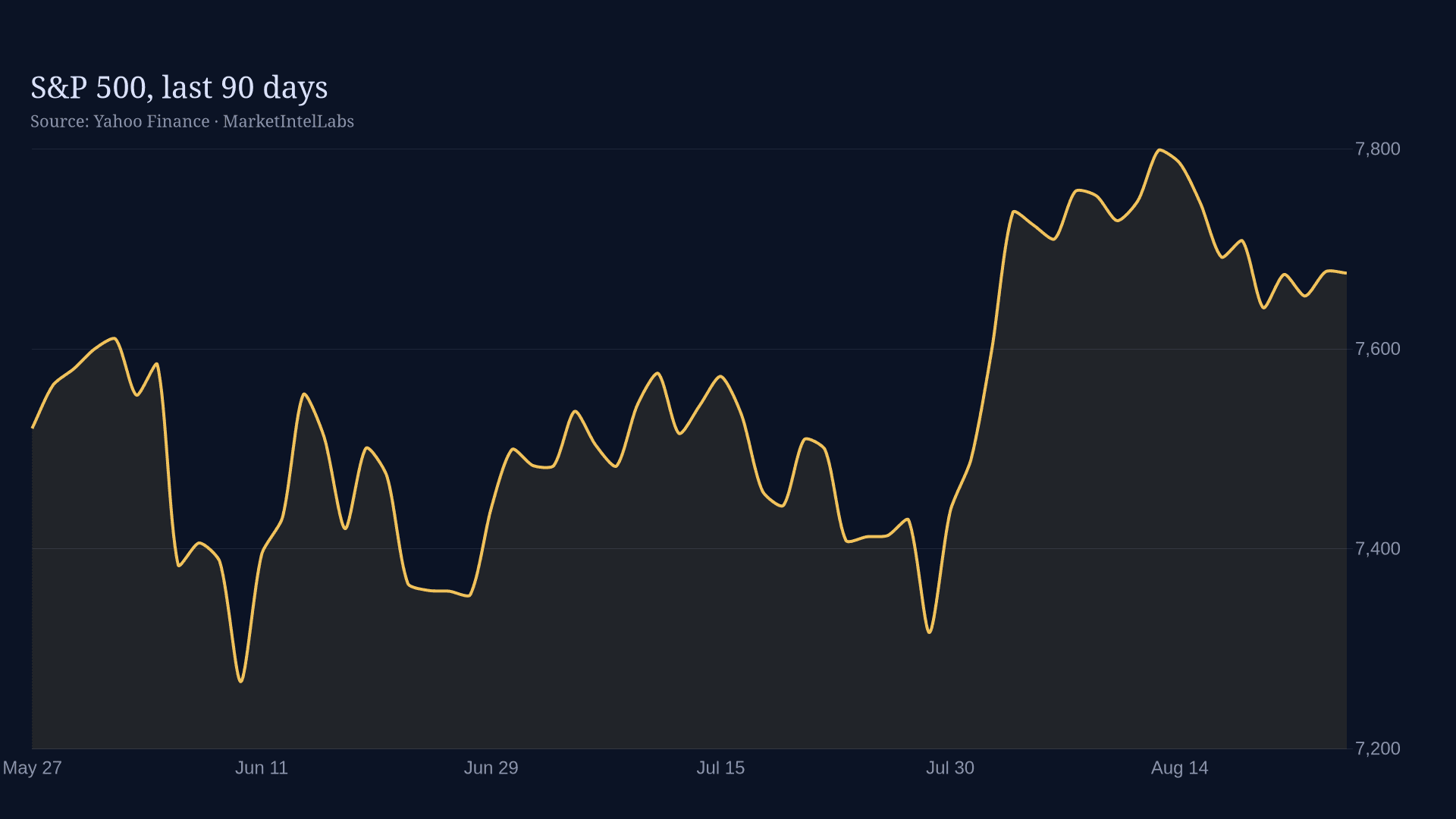
Friday's rally appears healthy on the surface with the S&P 500 up 0.66%, but beneath the headline numbers a troubling pattern emerged. Technology stocks surged 3.16% while eight of eleven S&P sectors closed lower, a concentration of gains that historically signals fragility.

The Technology sector (XLK) surged 3.16%, lifting the S&P 500 (+0.66%) and Nasdaq 100 (+1.37%), but eight of eleven sectors closed lower, raising questions about rally sustainability.

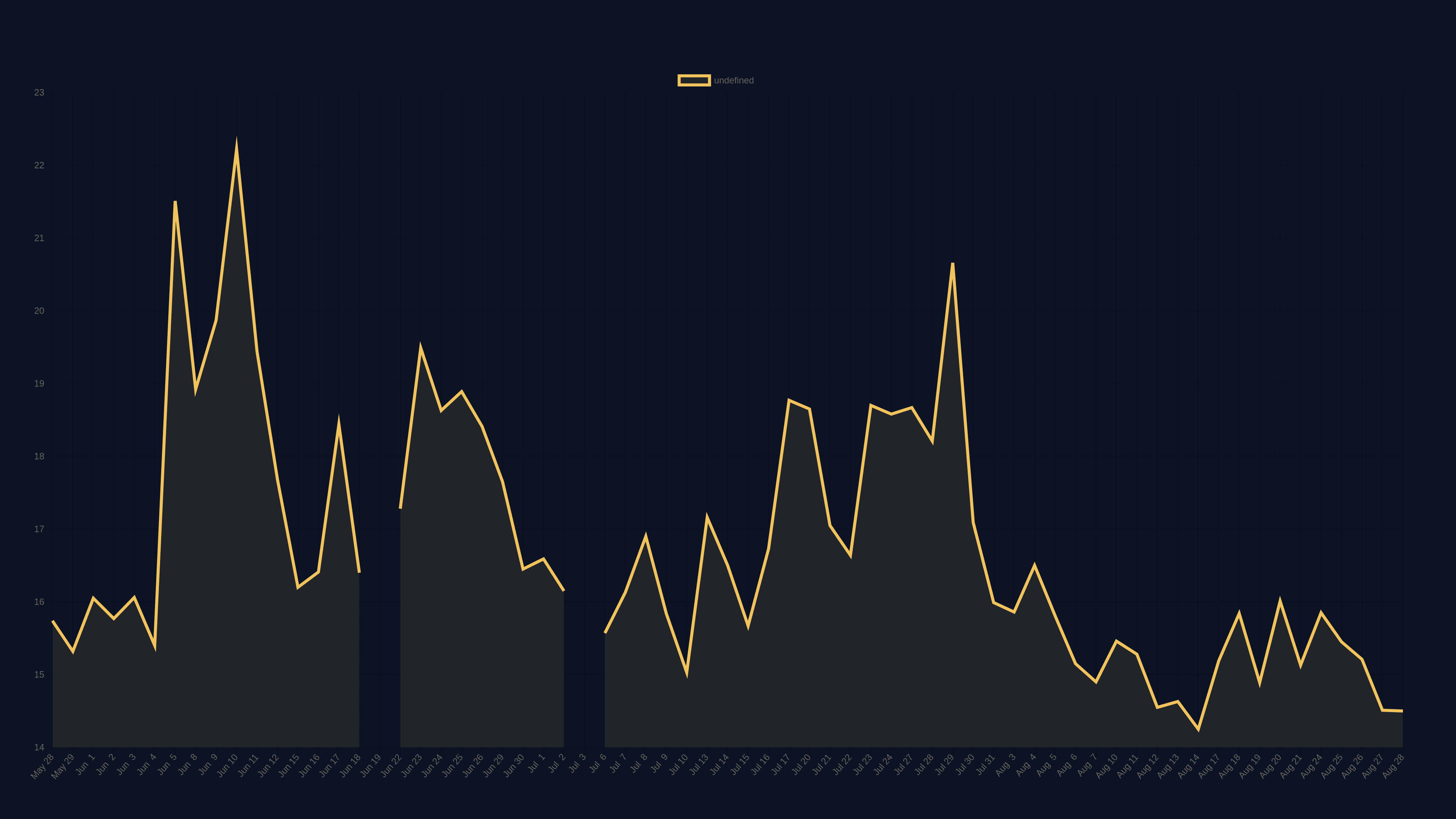
The VIX dropped 4.60% to 14.51 while the CBOE Total Put/Call Ratio fell to 0.73, signaling reduced hedging demand and a shift toward call-side positioning. Compressed volatility leaves markets vulnerable to shock.

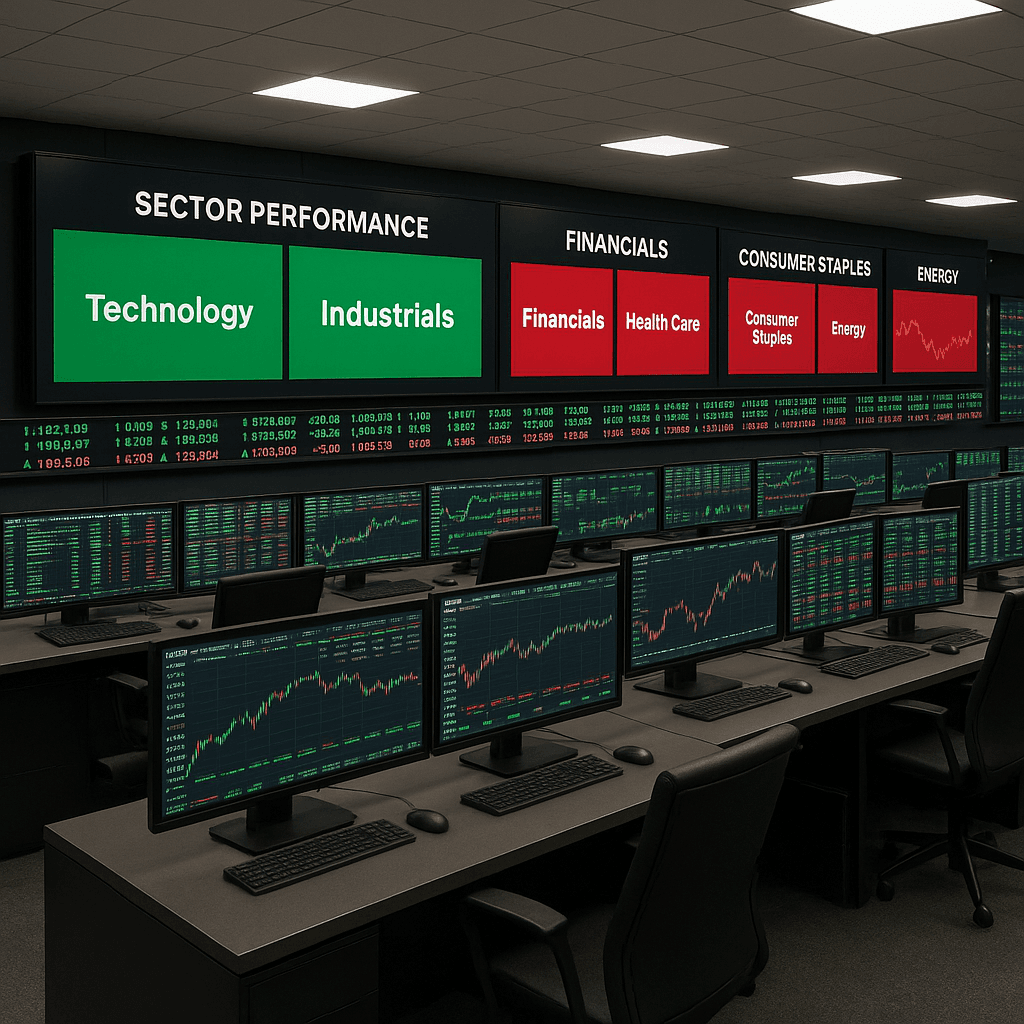
Technology and Industrials led while Health Care and Real Estate lagged Thursday, with breadth split 5-5 and small caps diverging from the large-cap indexes. Here is what the rotation signals for positioning.

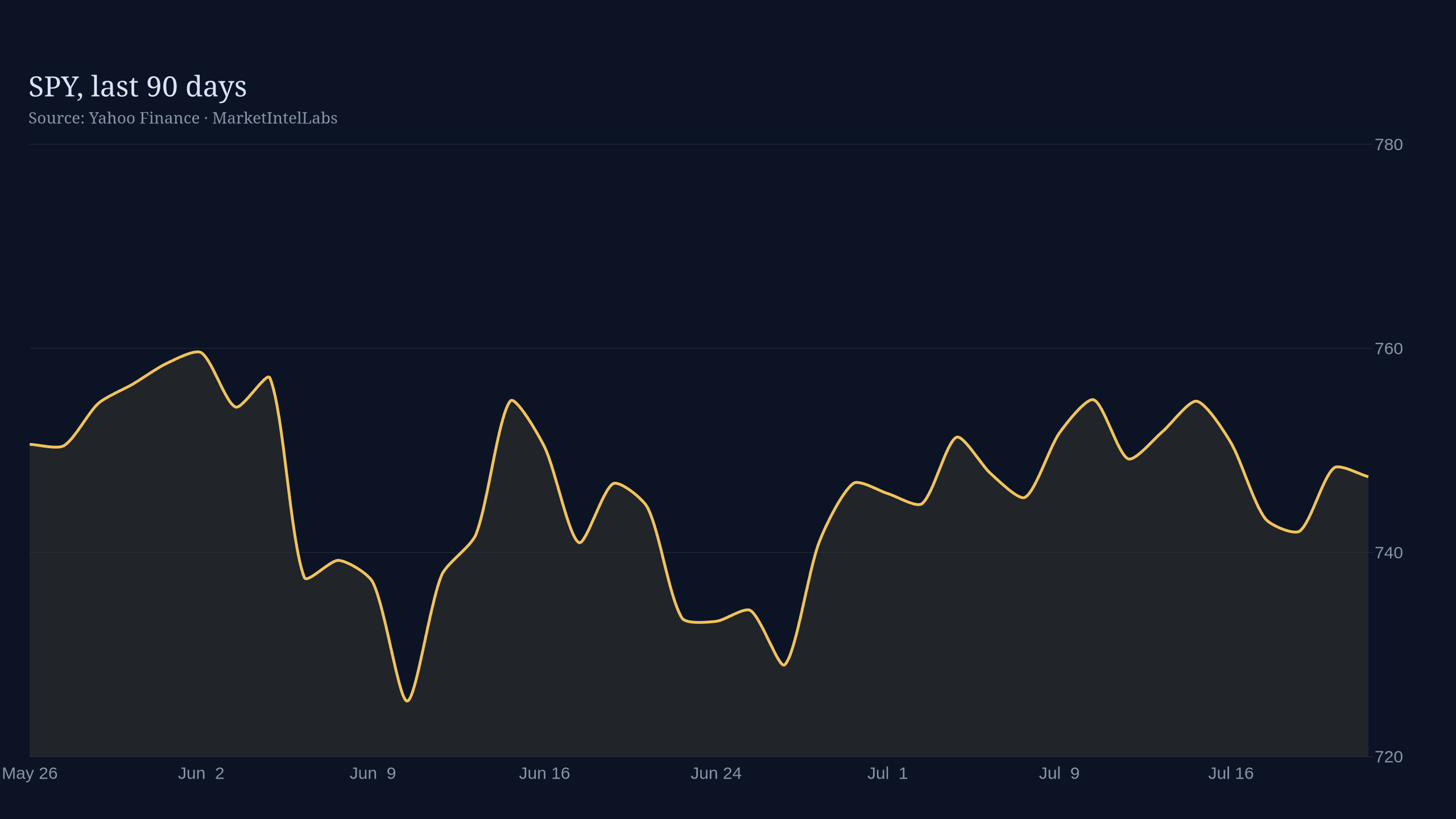
SPY closed at $766.08 Thursday, up 0.02%, as Industrials and Technology led a 5-5 sector split while Health Care and Real Estate lagged.

Q2 GDP's second estimate and July PCE land at 8:30 AM ET as SPY sits near multi-week highs and QQQ lags its moving averages.

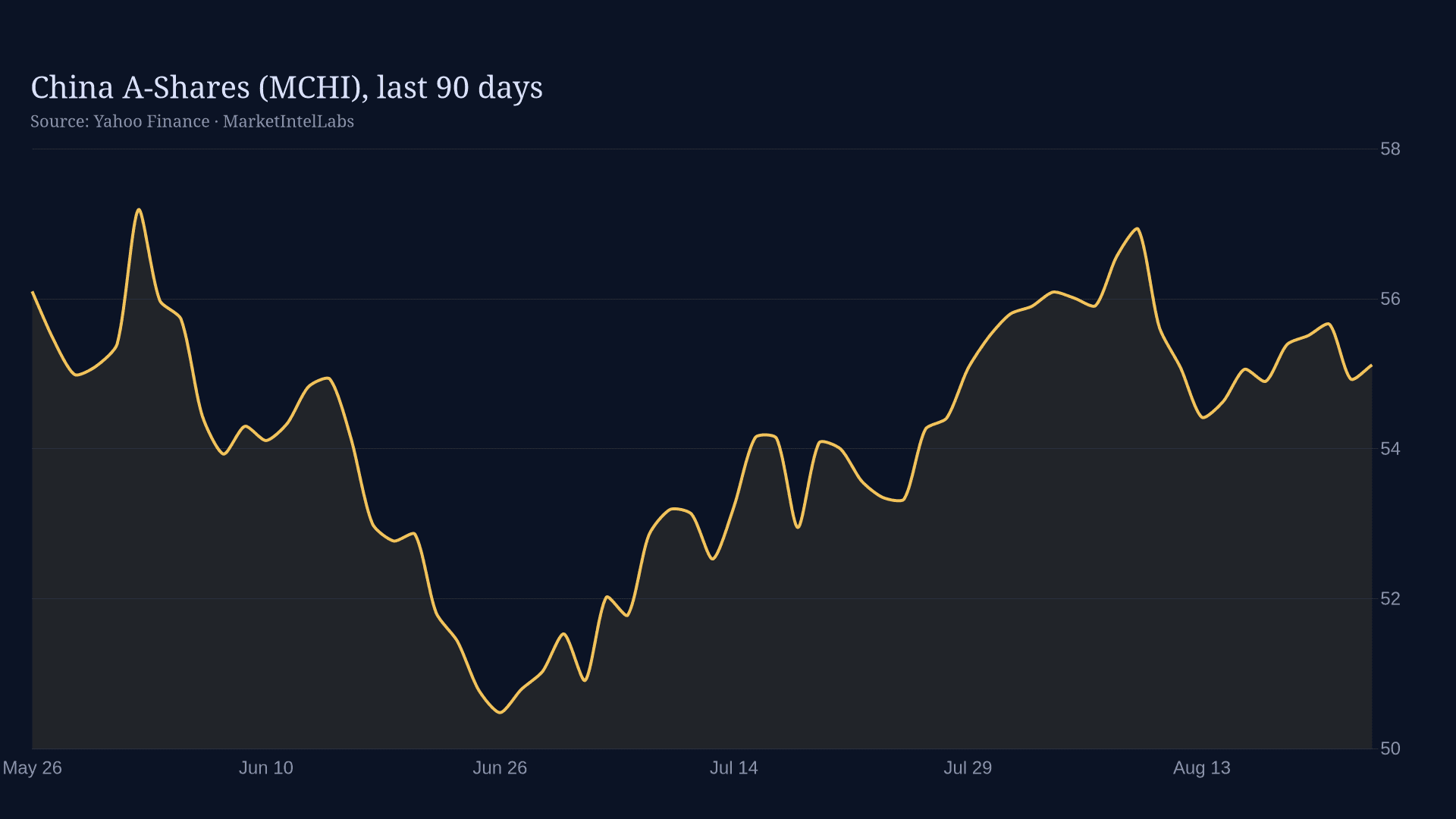
Mainland China stocks slipped Tuesday on metals-share weakness ahead of Jackson Hole, but U.S. metals miners XME and COPX are near 52-week highs, a divergence that argues for profit-taking, not a demand shock.

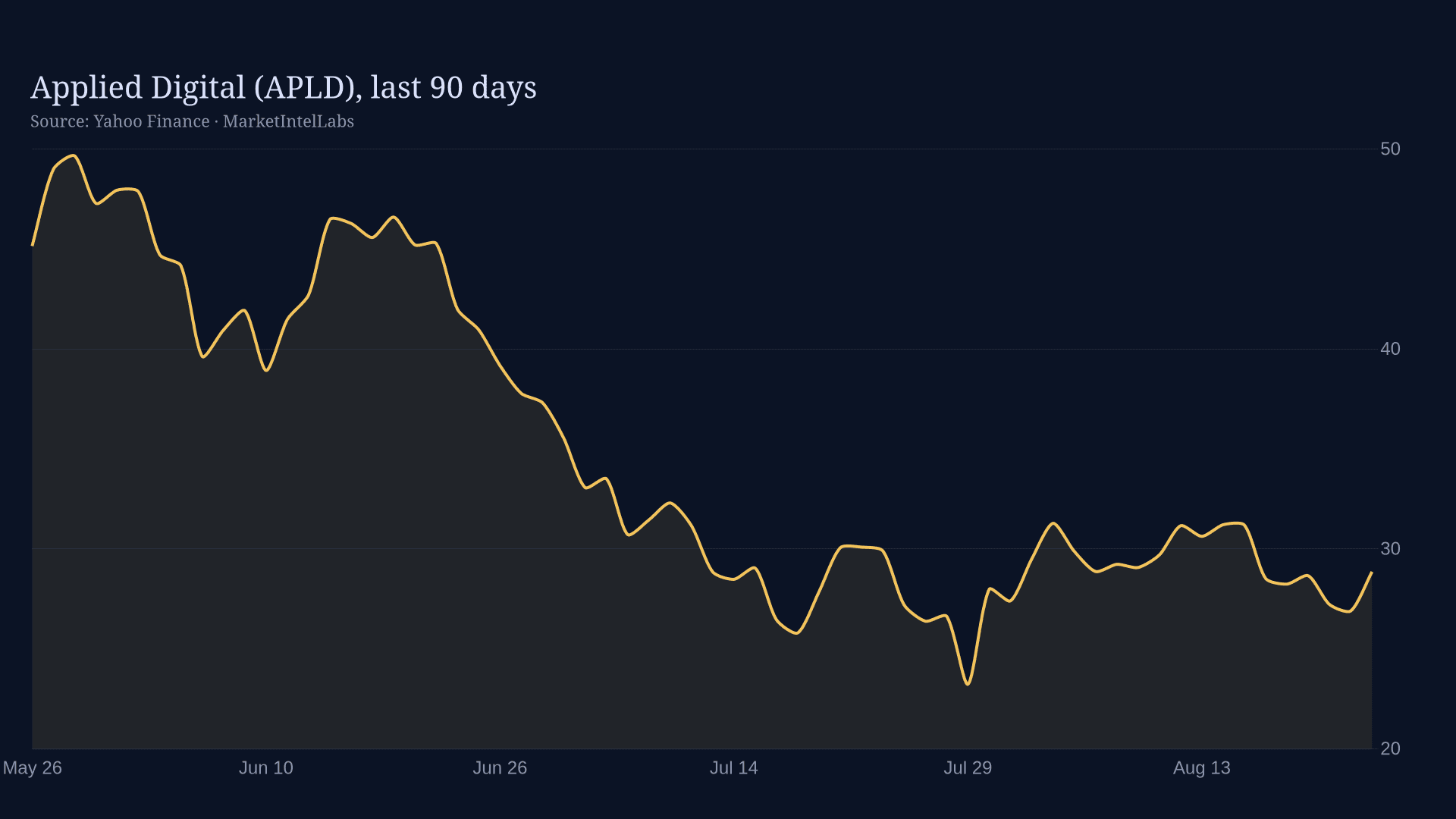
APLD closed up 7.29% on August 25 to $28.85 but remains 43.1% below its 52-week high, a case study in AI-datacenter neocloud volatility as CoreWeave and IREN show the same pattern.

Nvidia trades at 23.6x forward earnings against 97.2% expected revenue growth heading into Wednesday's print, while AMD's new 432GB HBM4 accelerator shows memory, not compute, is now squeezing AI hardware margins.

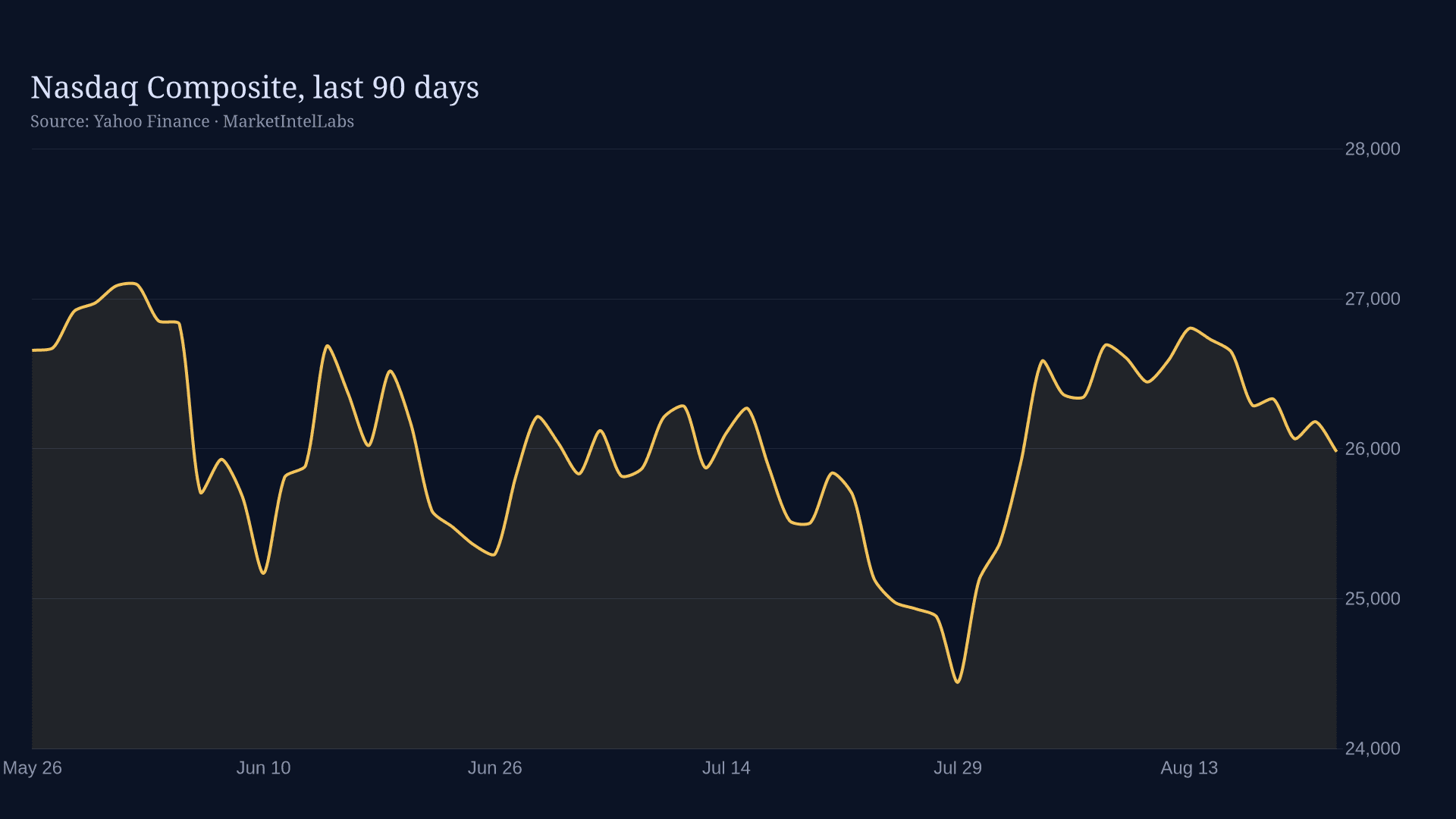
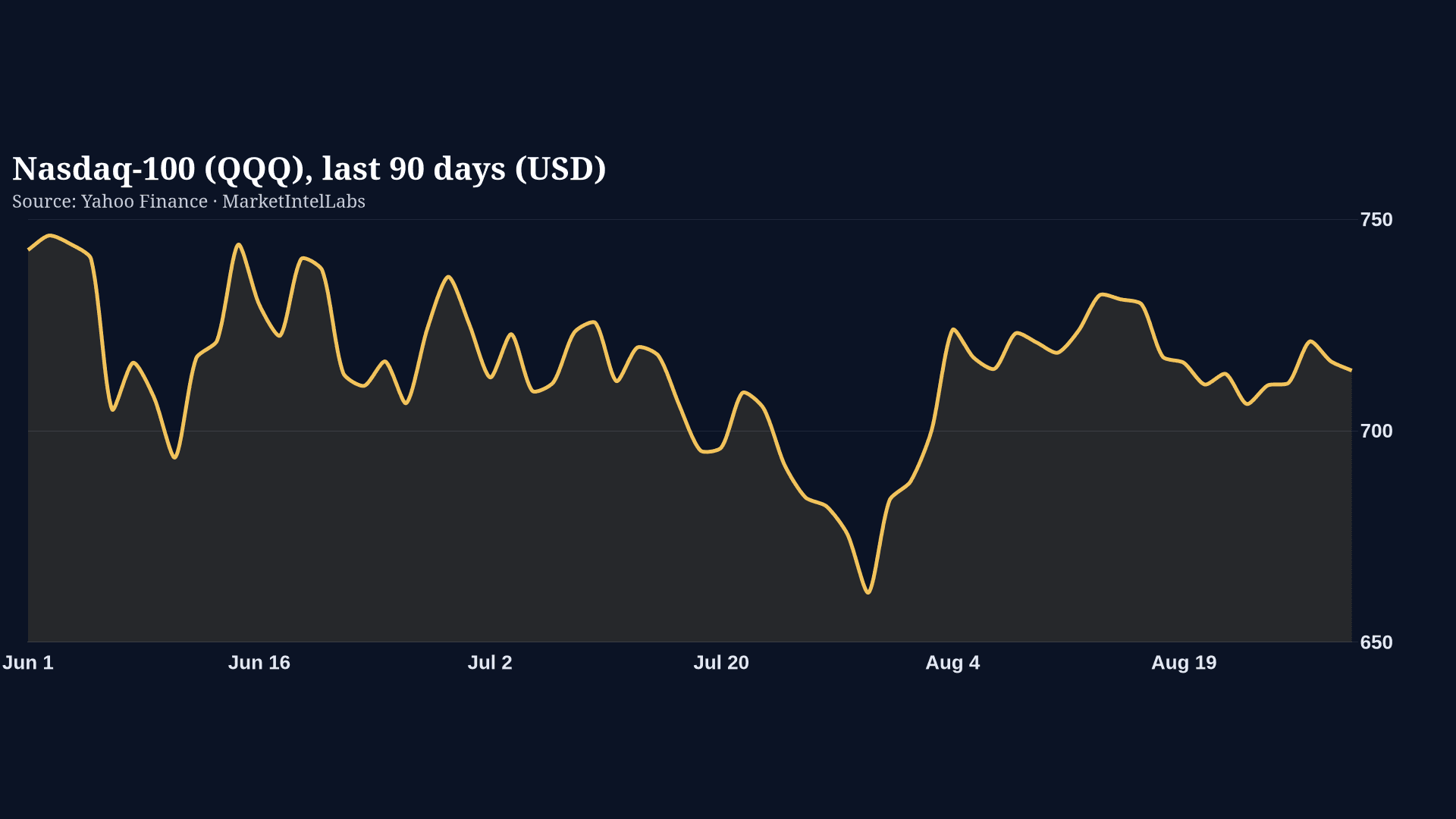
QQQ fell a full 1.00% Tuesday while the Dow closed higher, a divergence that traces almost entirely to Technology's 1.78% decline. Staples, Financials, and Utilities led the tape as capital rotated toward ballast, not out of equities.