Amazon faces FAA probe after delivery drone strikes Michigan fiber cable, garage

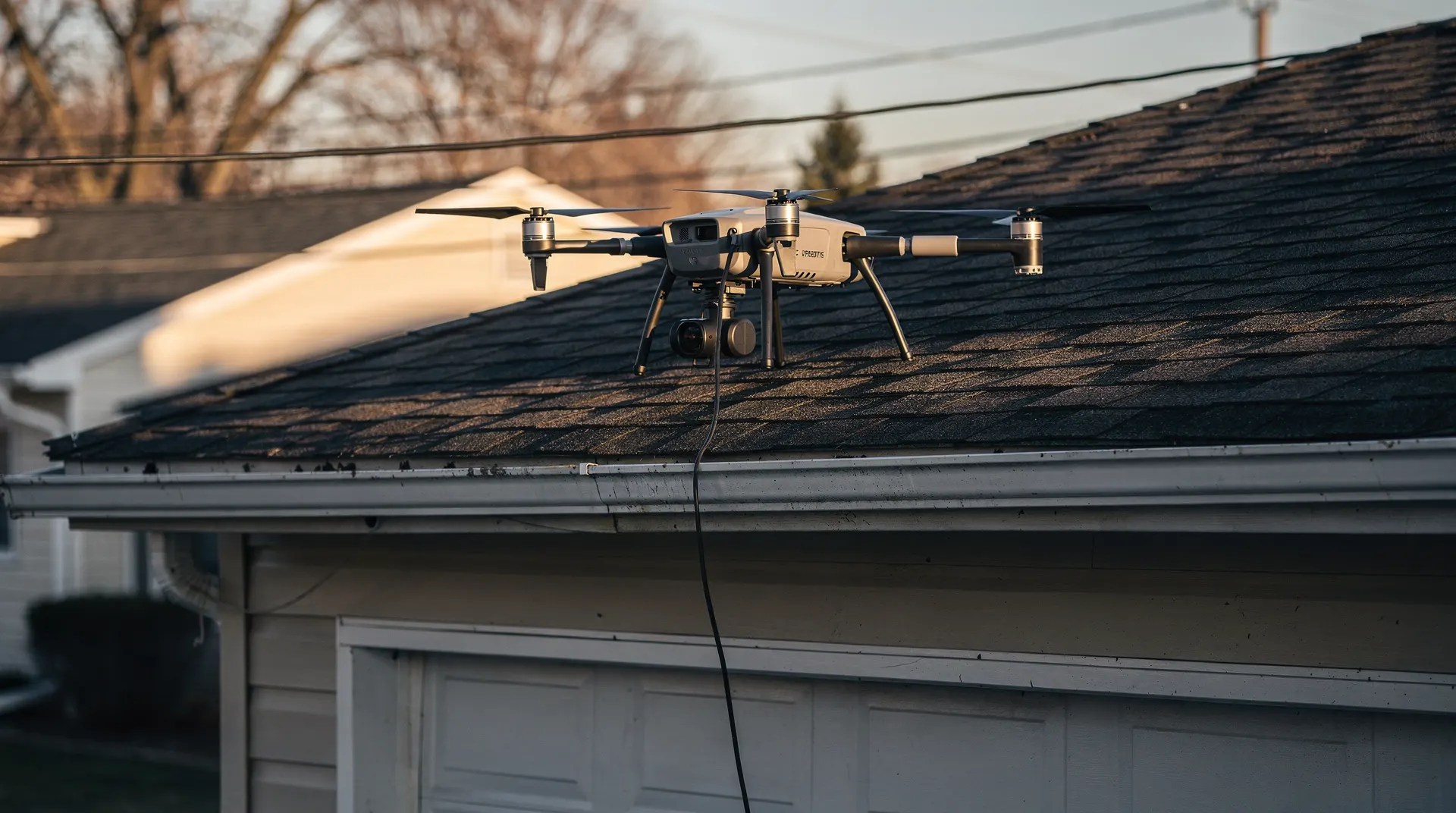
The Federal Aviation Administration said Monday it is investigating after an Amazon Prime Air delivery drone crashed onto a homeowner's garage in Huntington Woods, Michigan, on Friday, adding a federal probe to the hazards that come with Amazon's push to scale drone delivery. The crash injured nobody, but it cut a fiber line, forced an electric utility to de-energize a home, and gave regulators a fresh look at a program built to replace part of the labor-intensive last mile.
Friday's crash happened in a Detroit suburb around 4:30 p.m. local time, according to ABC affiliate WXYZ as cited by CNBC, as the aircraft was finishing a delivery of a customer's shampoo order. NBC News identified the homeowner as James Brennan, who said he had not asked for drone delivery and was filming from his yard as the aircraft set the package down, began to climb, caught a wire, swayed over the garage, and settled on the roof with its motors off. A preliminary incident report posted on the FAA's website and quoted by CNBC states the drone struck a fiber cable and a residential garage and became entangled in power lines during takeoff. Some neighbors temporarily lost internet access, NBC reported, and DTE told CBS Detroit it briefly cut power to the home so the drone could be freed from a service drop line.
Related reading: Amazon Decart deal: AI chip bid to loosen Nvidia's grip.
Amazon confirmed the episode and moved quickly to control the narrative. "Safety is our top priority and incidents are extremely rare," spokesperson Jack Stelzner told CNBC and CBS Detroit. "Anytime a delivery does not go as planned we investigate what happened and use the findings to further improve the service." Amazon said the drone was removed, that it is in contact with the resident, and that Prime Air is FAA Part 135 certified, reports all required incidents to agencies, and relies on redundant systems including six motors and two independent navigation software programs.
The regulator and the possible accident board are different actors with different jobs. The FAA, which certifies commercial drone operators, confirmed Monday that it is investigating. The NTSB, the independent board that investigates transportation accidents, told CNBC it is aware of the incident and is gathering information but has not yet determined whether it will open its own probe. The distinction matters: the FAA inquiry is underway, while the NTSB decision is a separate, still-open question that could raise the episode's profile.
Related reading: Metro unemployment rates show uneven labor stress across 387 areas.
This is the cost side of the math Amazon has been running for about 13 years. Drone delivery promises a cheaper final leg than the vans and drivers that now carry parcels to doors, and the company is targeting service in 500 U.S. cities and towns by the end of the year, with an executive projecting one million deliveries. For anyone watching the jobs picture, that is the through-line: every automated trip is a delivery that does not employ a person, and the pace of that conversion depends on the crash rate, the insurance bill, and the regulatory response. A single fiber repair and a garage claim are small; repeated across a 500-town network, they become the underwriting case that decides how drone delivery scales.
Friday was not the first time an Amazon drone tangled with ground infrastructure. Federal investigators opened a probe around a year ago, in November 2025, after an Amazon drone downed an internet cable in Waco, Texas, and about a month earlier they opened a separate investigation into two drones that collided with a construction crane near Phoenix, according to CNBC. Each incident feeds the pattern that insurers and regulators price into the delivery sector as a whole, not just Amazon's operation.
Related reading: Amazon WARN layoffs October 2026: 148 California jobs, 41 filings effective today.
The next dated catalysts are the NTSB's decision on whether to open a probe and the FAA's findings, neither with a public timeline as of this writing. Homeowners and their insurers will watch whether Amazon covers the fiber and property damage, which the company has said it is handling through contact with the resident. The bigger question for the delivery industry is whether this probe, like the Texas one, ends with new conditions on where and how drones fly, because every added constraint raises the cost of the automated last mile and slows the labor it is built to replace.
Related reading: US flash manufacturing PMI falls to 54.5 in November.
This content is for informational purposes only and does not constitute financial advice. Past performance is not indicative of future results. Consult a qualified financial advisor before making investment decisions.
Get daily intelligence delivered
Create a free account for the Daily Brief every weekday and The Week Ahead every Sunday. No card required.