AI chip demand: Samsung and Micron results set the bar for TSMC

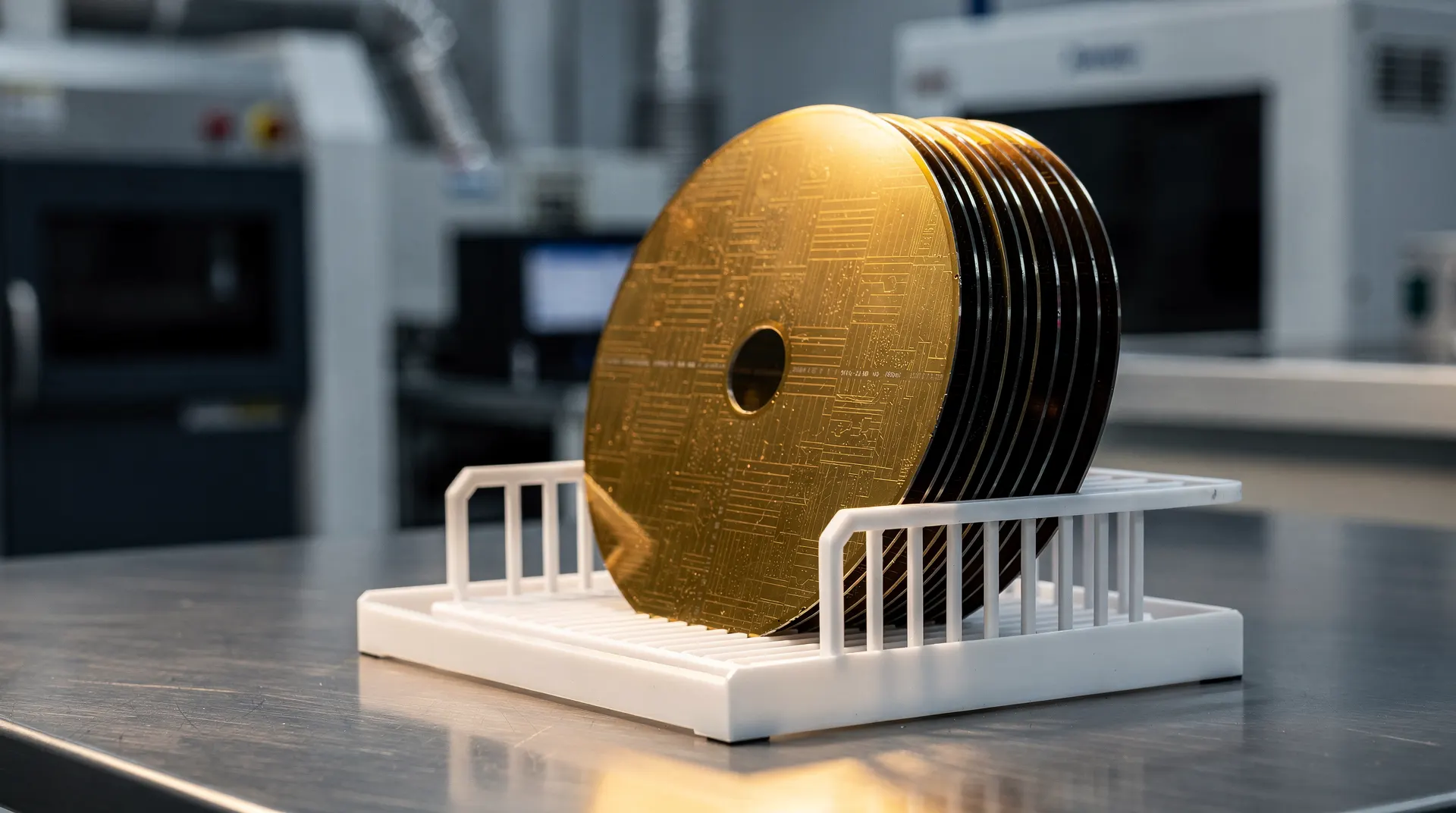
Samsung’s preliminary third-quarter operating-profit estimate of KRW 107.4 trillion is the week’s sharpest signal that AI hardware demand is reaching the memory supply chain. Micron’s record $54.23 billion fiscal fourth-quarter revenue adds a U.S. supplier’s confirmation, while TSMC’s September sales rose 54.6% year over year. Demand remains powerful; whether infrastructure spending can sustain this growth and these margins is still an open question.
Samsung Electronics said on October 8 that it expects third-quarter consolidated sales of about KRW 195 trillion and operating profit of KRW 107.4 trillion. Those are median estimates, not final results. For comparison, Samsung reported second-quarter sales of KRW 171.5 trillion and operating profit of KRW 89.49 trillion; its third-quarter 2025 figures were KRW 86.06 trillion and KRW 12.17 trillion. The scale of the year-over-year rebound is striking, but the company has not published a segment breakdown with this estimate. It would be premature to assign the full increase to AI memory.
Micron’s September 30 release offers a more detailed confirmation from another part of the memory chain. Fiscal fourth-quarter revenue reached $54.229 billion, up from $41.456 billion in the prior quarter and $11.315 billion a year earlier. Gross margin was 86.8% on a GAAP basis, compared with 84.6% in the prior quarter. Full-year revenue was $133.188 billion, against $37.378 billion in fiscal 2025. That is evidence of an active memory cycle, with exceptional volume as well as pricing power.
Related reading: One Week of Memory Inventory Left Before Micron's Test.
Micron also reported $10.77 billion in net capital expenditures in its fiscal fourth quarter and $27.37 billion for fiscal 2026. Its release pointed to strategic customer agreements and increased investment in technology, products and manufacturing, while management described fiscal 2027 as potentially stronger. That creates a useful tension for investors: customers appear to be securing memory supply, but capacity commitments and heavy capital spending also raise the cost of being wrong if demand moderates. High margins are evidence of scarcity today, not a guarantee that scarcity persists.
Foundry sales remain the volume check
TSMC reported September revenue of NT$511.857 billion on October 8, down 0.6% from August’s NT$514.806 billion and up 54.6% from September 2025’s NT$330.980 billion. Revenue for January through September totaled NT$3.899 trillion, a 41.1% increase year over year. The sequential dip is small and follows a record August, so it does not on its own signal a turn in demand. Monthly revenue is also not a substitute for a quarterly margin or technology-mix report.
Related reading: Micron’s $54.2B Quarter Puts AI Memory at the Center of the Trade.
The supplier chain is visible in these numbers, but the spending side remains less current. TSMC’s reported revenue captures orders from customers across high-performance computing, mobile and other end markets. Its monthly table does not isolate AI accelerator sales. Samsung’s early estimate likewise lacks an AI-memory line item. Micron’s results make the memory contribution more explicit, yet the available figures still cannot map those sales one-for-one to a particular cloud customer’s return on capital.
The data supports a constructive view: sales and memory profitability reflect current demand, not only announced construction plans. But steep comparisons, strong pricing and rising investment make today’s growth rate difficult to extend forward. If hyperscalers slow data-center commissioning, or if suppliers add capacity faster than demand absorbs it, today’s tight market can become tomorrow’s inventory adjustment. Power availability and the timing of facility buildouts remain constraints between chip shipments and productive compute.
Related reading: TSMC August Revenue Hits NT$514.81 Billion, Up 53.3% Year Over Year.
For the week of October 12, the next dated catalyst is TSMC’s third-quarter earnings conference on Thursday, October 15. The company’s posted guidance is revenue of $44.6 billion to $45.8 billion, gross margin of 65% to 67%, and operating margin of 56% to 58%. The call can clarify whether the September sales run rate translated into the expected quarterly result and whether management sees demand broadening or concentrating among a few customers. The Federal Reserve’s G.17 industrial production release is scheduled for Friday, October 16, a wider economy check rather than an AI-specific measure. The call’s central test is whether TSMC can report strong volumes while holding margins as investment and capacity rise.
Sources: TSMC, September 2026 Revenue Report, October 8, 2026, TSMC September 2026 revenue report; TSMC 2026 monthly revenue and Q3 guidance, TSMC 2026 monthly revenue and Q3 guidance; Samsung Electronics, third-quarter 2026 earnings guidance, October 8, 2026, Samsung Q3 earnings guidance; Micron, fiscal fourth-quarter and full-year 2026 results, September 30, 2026, Micron fiscal 2026 results; Federal Reserve industrial production release calendar, Federal Reserve G.17 release calendar.
This content is for informational purposes only and does not constitute financial advice. Past performance is not indicative of future results. Consult a qualified financial advisor before making investment decisions.
Get daily intelligence delivered
Create a free account for the Daily Brief every weekday and The Week Ahead every Sunday. No card required.