Verizon stock slides 7% after SpaceX buys 800 MHz spectrum: what changes

Verizon stock dropped about 7 percent in extended trading Thursday evening after SpaceX announced a deal to buy the nationwide 800 MHz spectrum portfolio owned by Grain Management, one of the few assets that has kept Starlink Mobile out of the core U.S. mobile market. AT&T fell 7.9 percent to $22.90 and T-Mobile slid 7.5 percent in the same after-hours session, per MarketWatch. Friday adds a second mechanical drag: October 9 is Verizon's ex-dividend date, which trims the reference price by the $0.7075 quarterly payout, payable November 2.
Grain Management made it official October 8, announcing a definitive agreement to sell 100 percent of its nationwide 800 MHz portfolio to SpaceX, subject to FCC approval and other customary closing conditions. SpaceX described the spectrum as "prime low-band" that "addresses one of the key remaining technical gaps that will pave the way for Starlink Mobile to become a major mobile carrier in the US." Elon Musk called the agreement "a very big deal" in a post on X.
Related reading: United Airlines Stock Drops 2% as Susquehanna Cuts Price Target to $150.
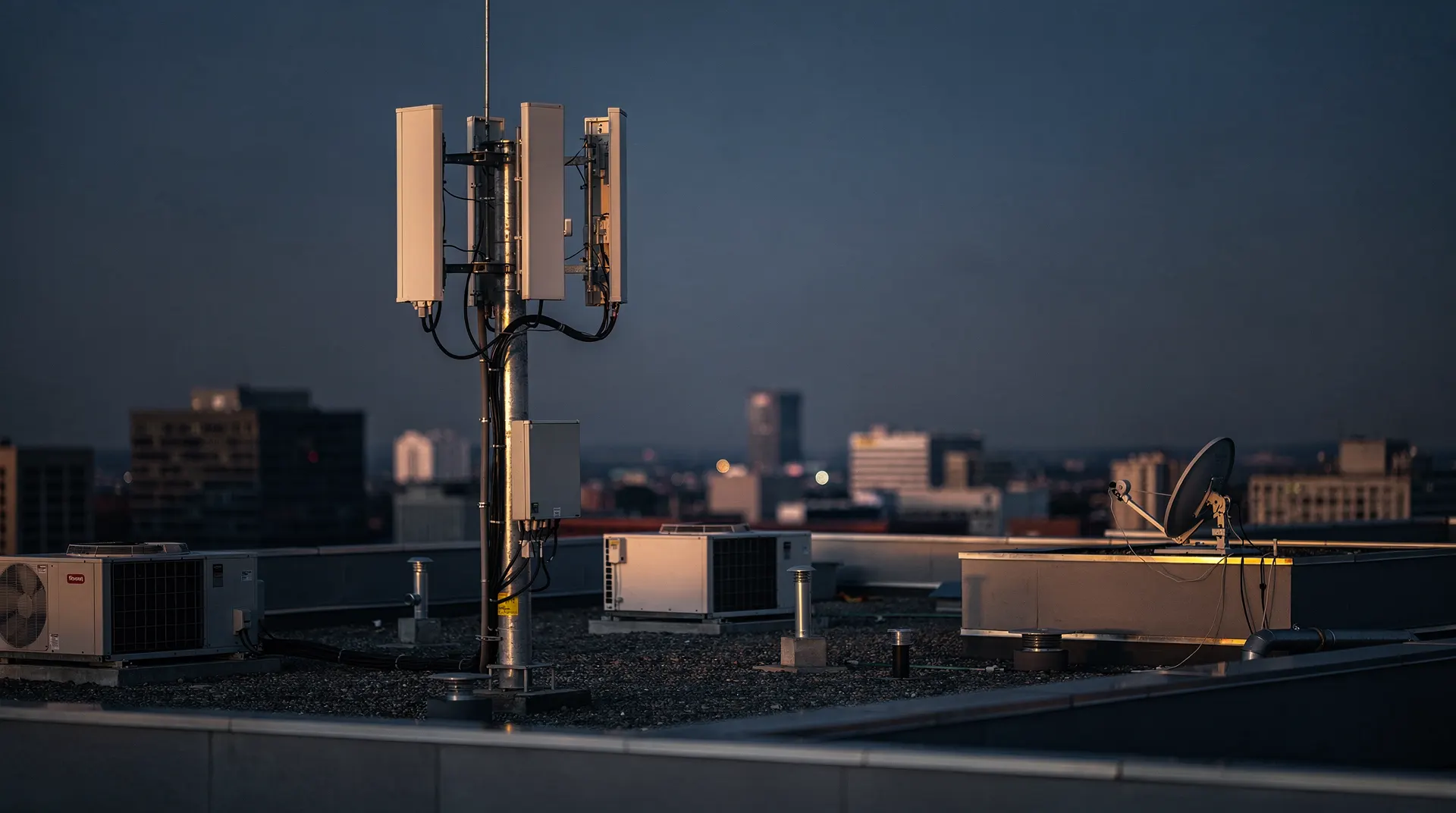
Low-band spectrum is the piece that lets a signal penetrate building walls, the reason terrestrial carriers spent billions on it. SpaceX already holds mid-band 2 GHz spectrum; the 800 MHz purchase adds the coverage layer.
The rough economics help explain why investors read it as a structural challenge. Grain acquired the same portfolio from T-Mobile in August 2026 in exchange for cash and its 600 MHz licenses. Two months later it has flipped the asset to a competitor of the very carriers that once held it, and the new owner is a company with no legacy tower costs and an existing $2 trillion-plus valuation.
Related reading: OpenAI Revenue at $50B, Not $70B: Why AI and Chips Sank.
Investors should weigh the bear case too. A spectrum license alone does not build a network. SpaceX must still pair the airwaves with terrestrial cell sites, secure the FCC's sign-off, and win customers from incumbents with existing handset fleets and tens of thousands of towers. T-Mobile, AT&T and Verizon also sit on their own low-band holdings, so the strategic gap was never zero.
That is worth stating plainly, because the after-hours rout priced in the hit while the buildout cost remains unquantified.
Related reading: MU Stock Down 6% This Week as Taiwan Union Authorizes Strike.
SpaceX had already secured a regulatory tailwind. The FCC authorized SpaceX to deploy 15,000 mobile satellite service devices without paying ground-operator lease fees, per Investing.com. The Commission set an October 29 vote tied to the same direct-to-device agenda, and it already proposed an auction of 25 MHz of additional spectrum. SpaceX shares, which fell about 4 percent in regular trading Thursday, rose roughly 2.5 percent in extended trading after the announcement, per CNBC, as the two sides of the trade moved in opposite directions.
This is a dated and measurable event for three groups at once. Verizon shareholders wear the immediate loss plus the ex-dividend reference-price cut on Friday. AT&T and T-Mobile holders face the same competitive read, and all three carriers run the larger question of whether regulators will keep clearing SpaceX's path. The number to watch next is not today's close but the FCC's October 29 vote, and after it, whether SpaceX announces a tower buildout. The spectrum itself is only part of the story; the winner is the company that pairs it with a network, and that buildout has not been dated yet.
Related reading: S&P 500 Sits Near a Record With Only 26% of Stocks Above Their 50-Day Average: The Capped-Breadth Rally.
This content is for informational purposes only and does not constitute financial advice. Past performance is not indicative of future results. Consult a qualified financial advisor before making investment decisions.
Get daily intelligence delivered
Create a free account for the Daily Brief every weekday and The Week Ahead every Sunday. No card required.